Curating Calm The Art of a Serene Kitchen
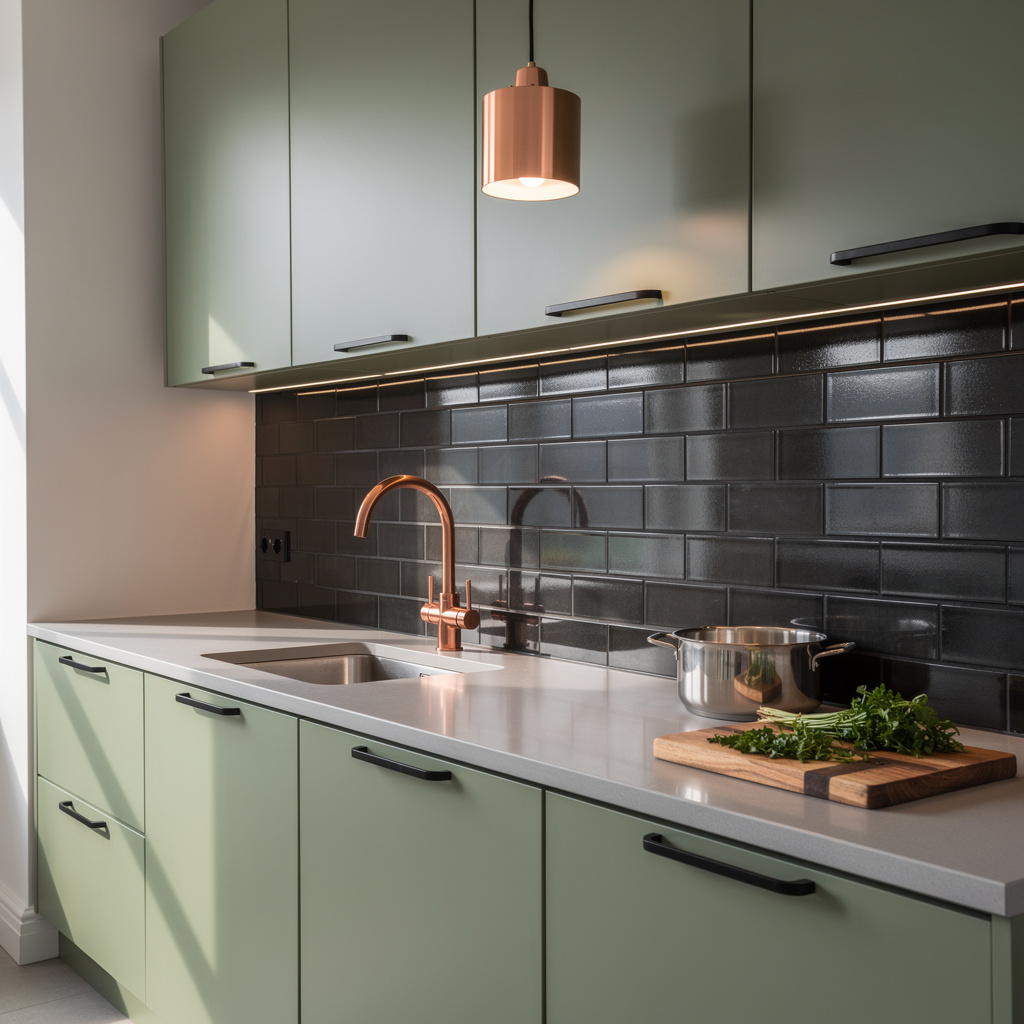
The Philosophy Behind a Serene Kitchen
A kitchen that feels like a quiet retreat is less about the latest gadget and more about the subtle cues that shape mood. Freedom, independence, and comfort become tangible when every surface, light source, and line works together to lower the sensory load. Think of the space as a canvas for daily rituals rather than a stage for performance.
Materials That Whisper
- Natural stone countertops – their cool, matte finish absorbs sound and reflects a soft, organic glow.
- Minimalist cabinetry in light wood or muted lacquer creates visual continuity without visual clutter.
- Soft, woven textiles for bar stools or window treatments add tactile warmth without overwhelming pattern.
Lighting as a Mood‑Setter
Soft ambient lighting is the backbone of calm. Recessed LEDs with dimmable controls, paired with a few strategically placed pendant lights, provide a gentle gradient from task illumination to ambient glow. Avoid harsh overhead fluorescents; instead, opt for warm‑tone bulbs that mimic sunrise, encouraging a relaxed pace.
Layout for Flow and Freedom
A layout that encourages movement—whether a galley, island, or open‑plan—should prioritize unobstructed pathways. Keep countertops clear, allowing the eye to travel smoothly from sink to stove to seating area. This openness mirrors the mental space you want to cultivate: uncluttered, inviting, and ready for conversation.
Curating the Final Touches
- Add a single piece of art or a small plant to introduce a focal point without distraction.
- Use hidden storage solutions to keep everyday items out of sight, reinforcing the minimalist aesthetic.
- Choose a subtle scent, like citrus or eucalyptus, to engage the senses gently.
When each element works in harmony, the kitchen transforms from a functional room into a wellness space—a place where cooking becomes meditation and conversation flows as easily as the light.