WHERE LIFE MEETS THE OUTDOORS
The Garden & You
A garden should give something back. A place for coffee before the day gathers speed. A few minutes among growing things. An evening outdoors that doesn't begin with another hour of work.
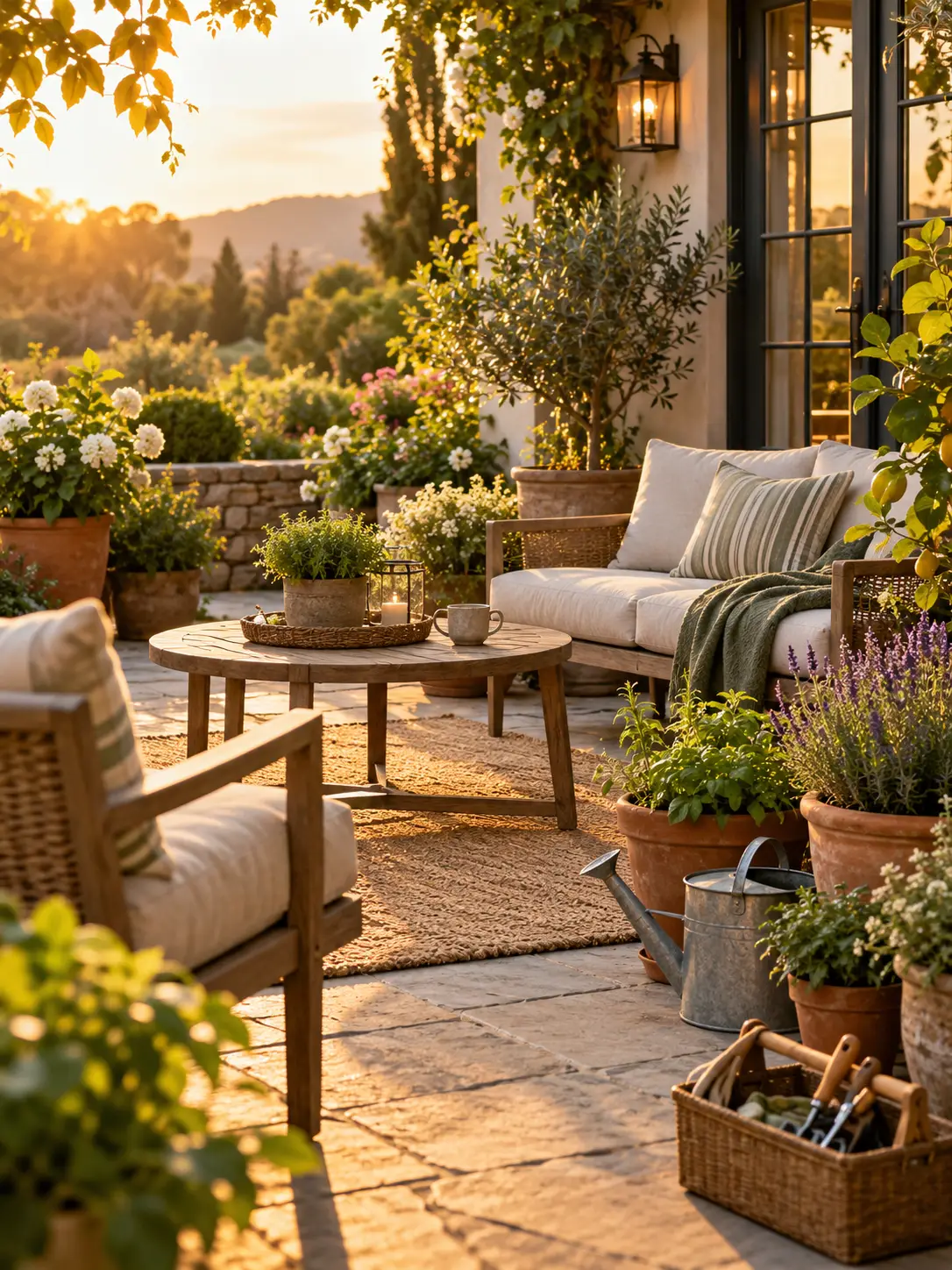
A garden that gives more than it asks.
The first cup of coffee tastes different outdoors. Maybe it is the cool air, the sound of leaves or the small satisfaction of noticing that something planted last month is doing well without supervision.
But a garden can also become a list that never ends. Grass needs cutting. Pots need watering. Tools disappear just when they are needed. A quiet Saturday turns into a day spent catching up.
A better garden is not necessarily a larger or more elaborate one. It is a place arranged around the way people actually want to use it.
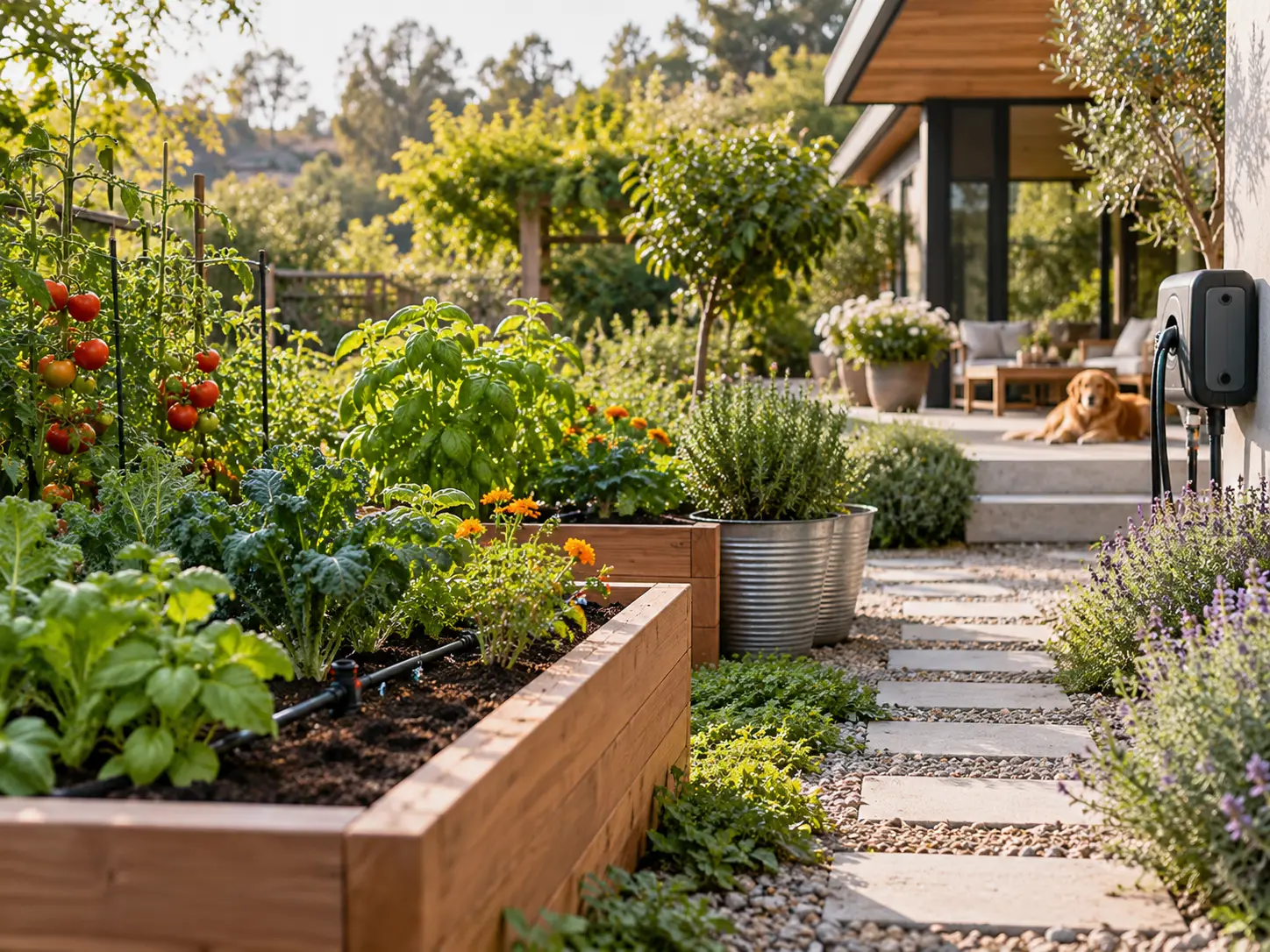
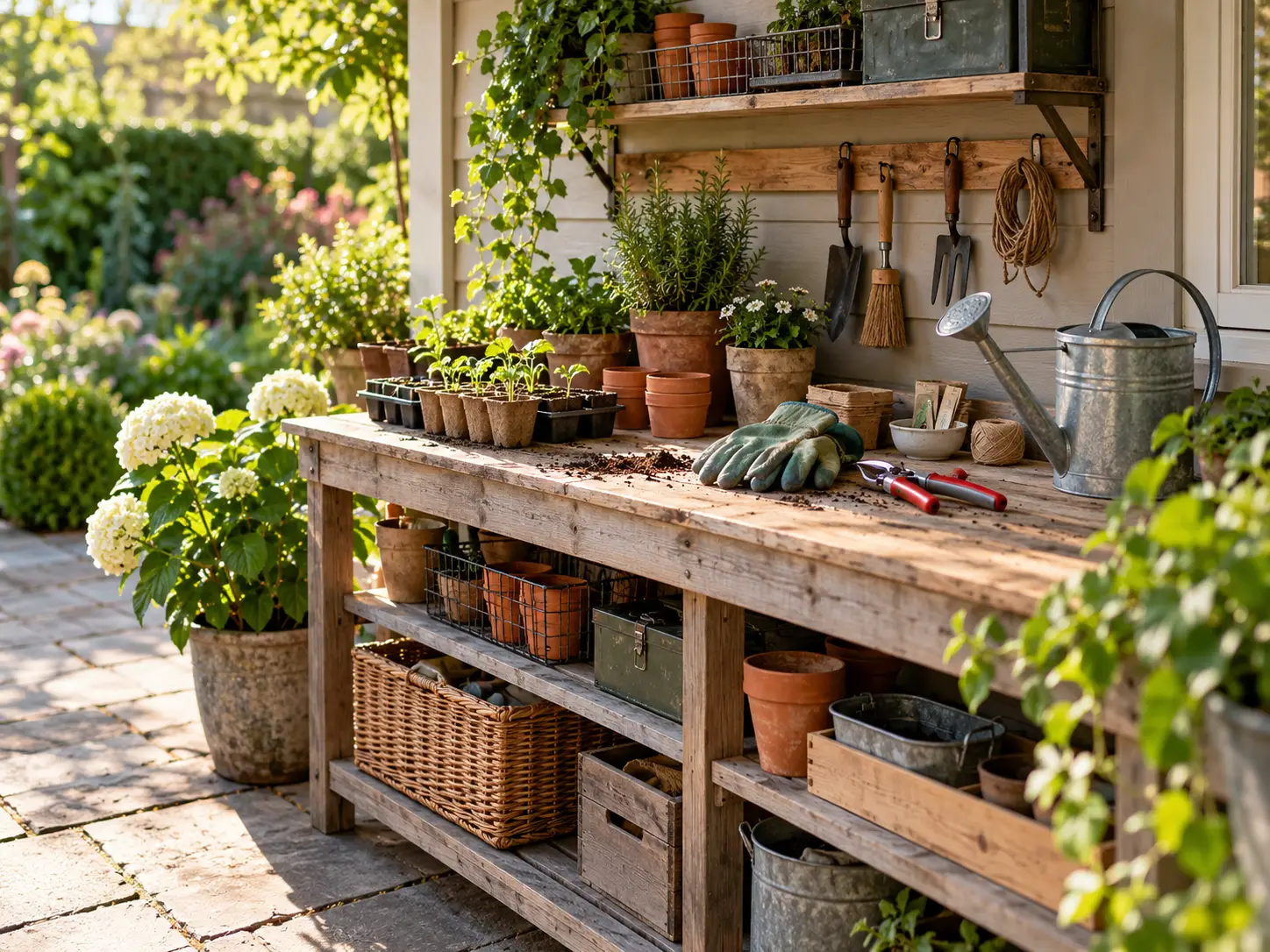
Make the easy things easy.
Put frequently used tools where they belong. Keep water close to the plants that need it. Give the seating area enough shade to remain pleasant when the afternoon warms up. The less preparation a simple moment requires, the more often that moment happens.
Let the garden take care of a few things.
There is pleasure in tending a garden. There is less pleasure in repeating the same avoidable task every day. Thoughtful automation can handle some of the predictable work while leaving the enjoyable parts untouched.
Good tools should never start a search.
A pair of gloves by the door. Secateurs hanging within reach. A hose that returns to its place instead of crossing the path. None of these details is impressive on its own, but together they change how the garden feels.
When everything needed for a small task is easy to find, the task stays small. Ten minutes of attention need not turn into an afternoon of preparation.
A garden becomes easier to enjoy when useful things have a natural place to live.
The work ends. The garden stays.
The tools are put away. The path is clear. Water has reached the plants that needed it, and the furniture is ready without being rearranged.
Someone brings two cups outside. The dog settles where the ground is still warm. A conversation begins, stops for a while and resumes without urgency.
This is why the practical decisions matter. Not because a garden should run like a machine, but because it should leave room for everything that cannot be scheduled.
The best garden is not the one that asks for the most attention. It is the one you keep wanting to return to.
When Water Takes Care of Itself
A useful garden does not ask to be remembered at the hottest part of the day. It holds its rhythm without turning every warm week into a small emergency.
Water changes the whole feeling of outdoor care. When the basics are handled well, the garden stops behaving like a chain of interruptions. Beds stay alive, containers stay fresher, and the mind does not have to keep circling back to what might already be drying out.
This is not about removing attention. It is about removing the kind of attention that arrives too late. A better system gives the garden what it needs before the worry begins.
The best watering system is the one that quietly protects the part of the day you wanted to keep.
Some links on this page are affiliate links.
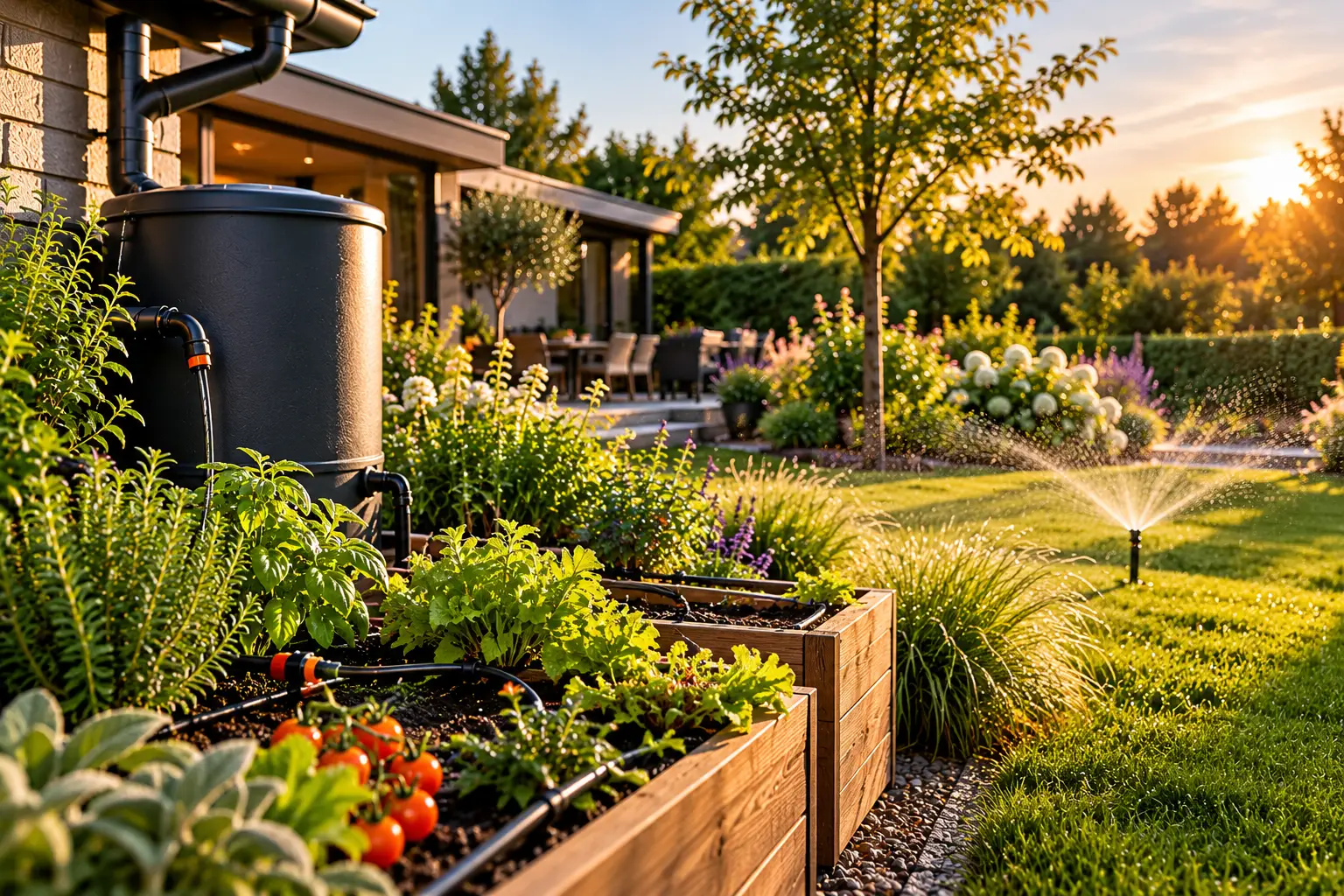
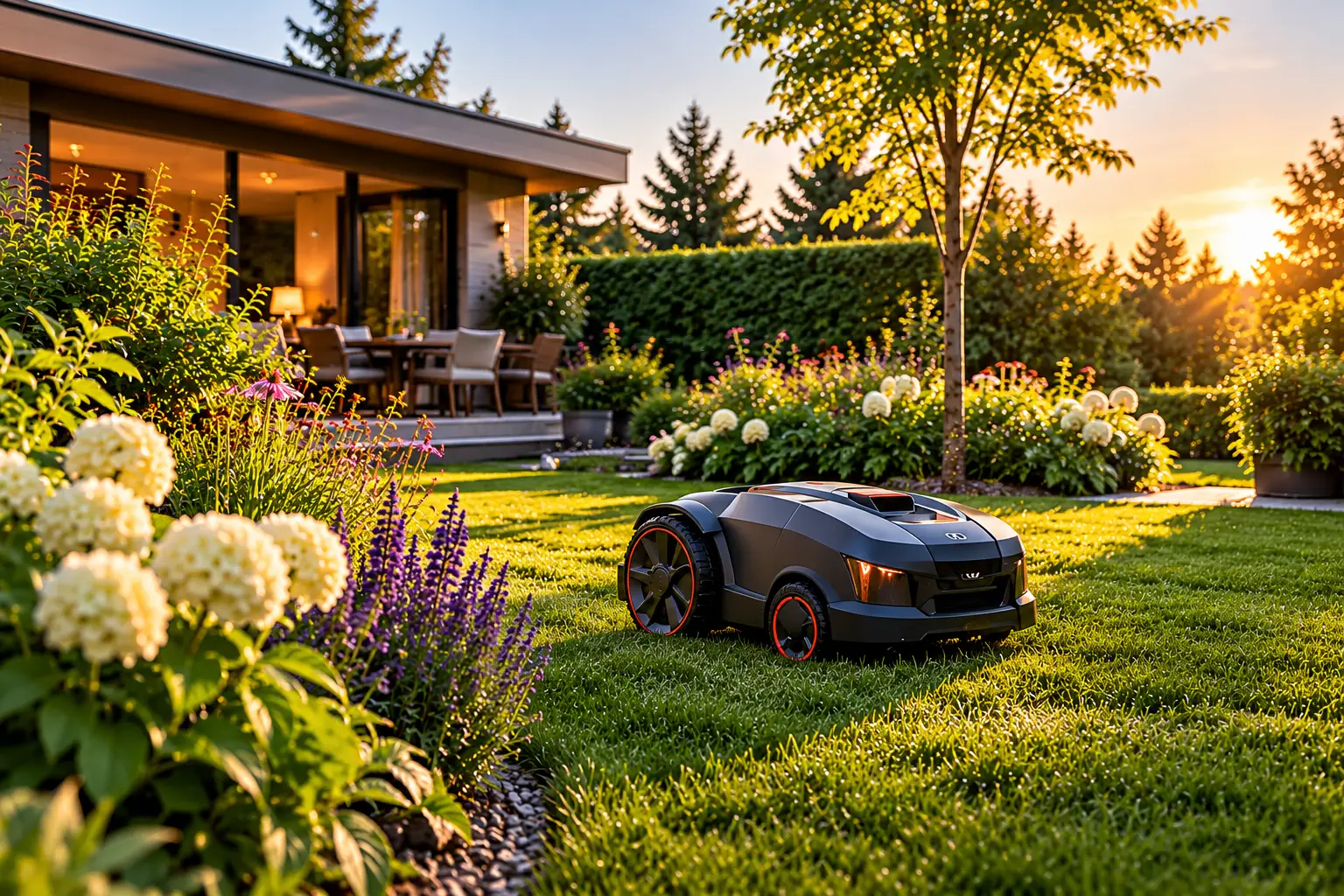
The Lawn Doesn’t Need Your Weekend
A lawn becomes tiring when it behaves like a recurring appointment. It asks for weather checks, timing, effort and a free afternoon that may not exist.
The better version is quieter. The cutting still happens, but it no longer takes over the day. The surface stays readable, usable and present without turning each weekend into recovery for the garden itself.
Automation matters here not because it is clever, but because it returns time in small, believable ways. The body notices the difference first: less rushing, less postponing, less bargaining with a task that keeps coming back.
The point is not to care less. It is to stop spending your best hours on repetition.
A Place for Everything Outdoors
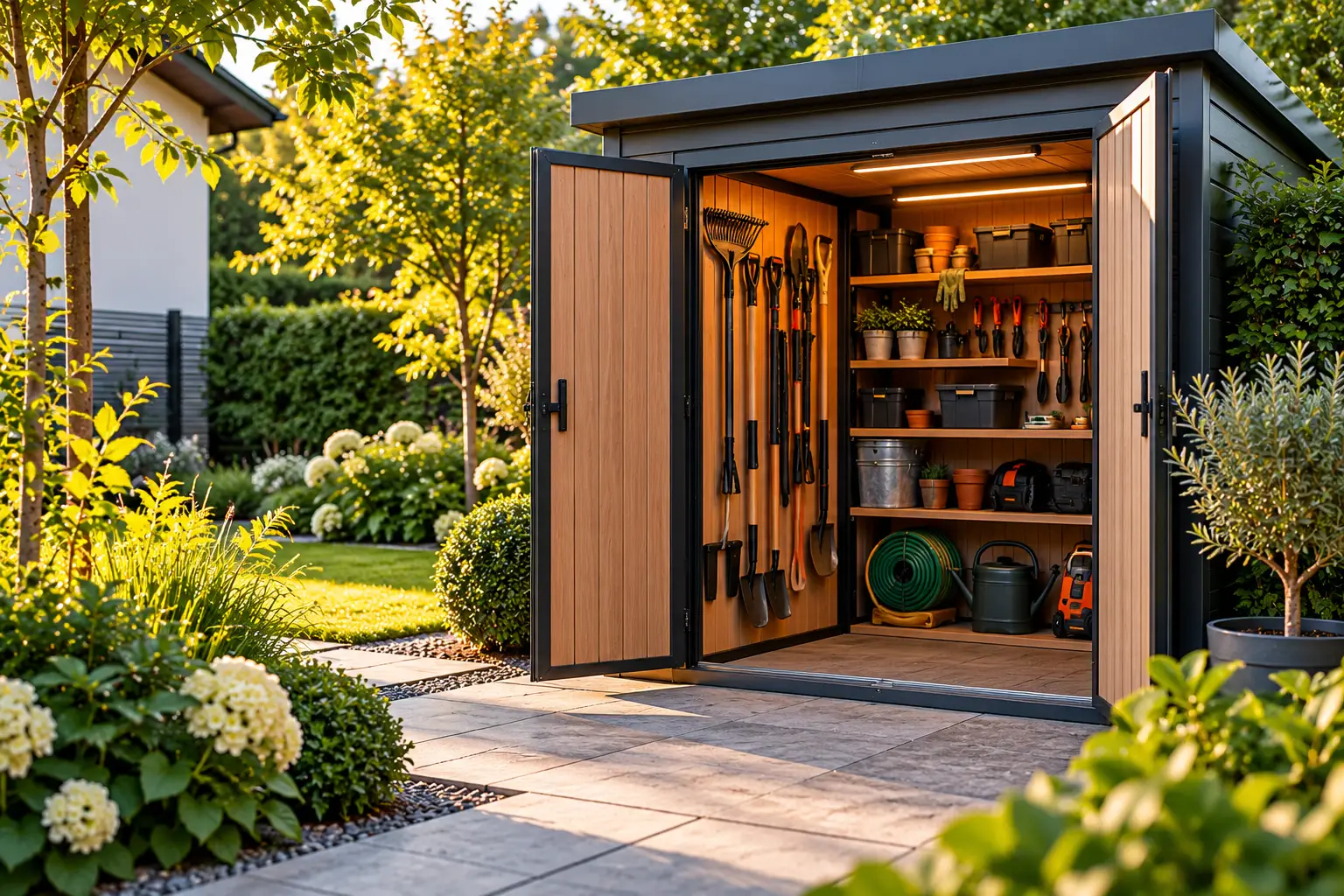
A garden becomes easier the moment the tools stop hiding. Gloves near the door. Secateurs within reach. A watering can that does not begin each use with a search.
Outdoor work does not need a workshop mood. It needs a place where the small practical things already belong to the space instead of drifting around it. That is what turns preparation from a delay into a simple beginning.
Order outside is not decorative. It changes behaviour. When useful objects are already where the hand expects them, the garden asks for less effort before anything even starts.
Good tools should never be the reason a simple outdoor task becomes another delay.
When the Garden Stays Open After Sunset
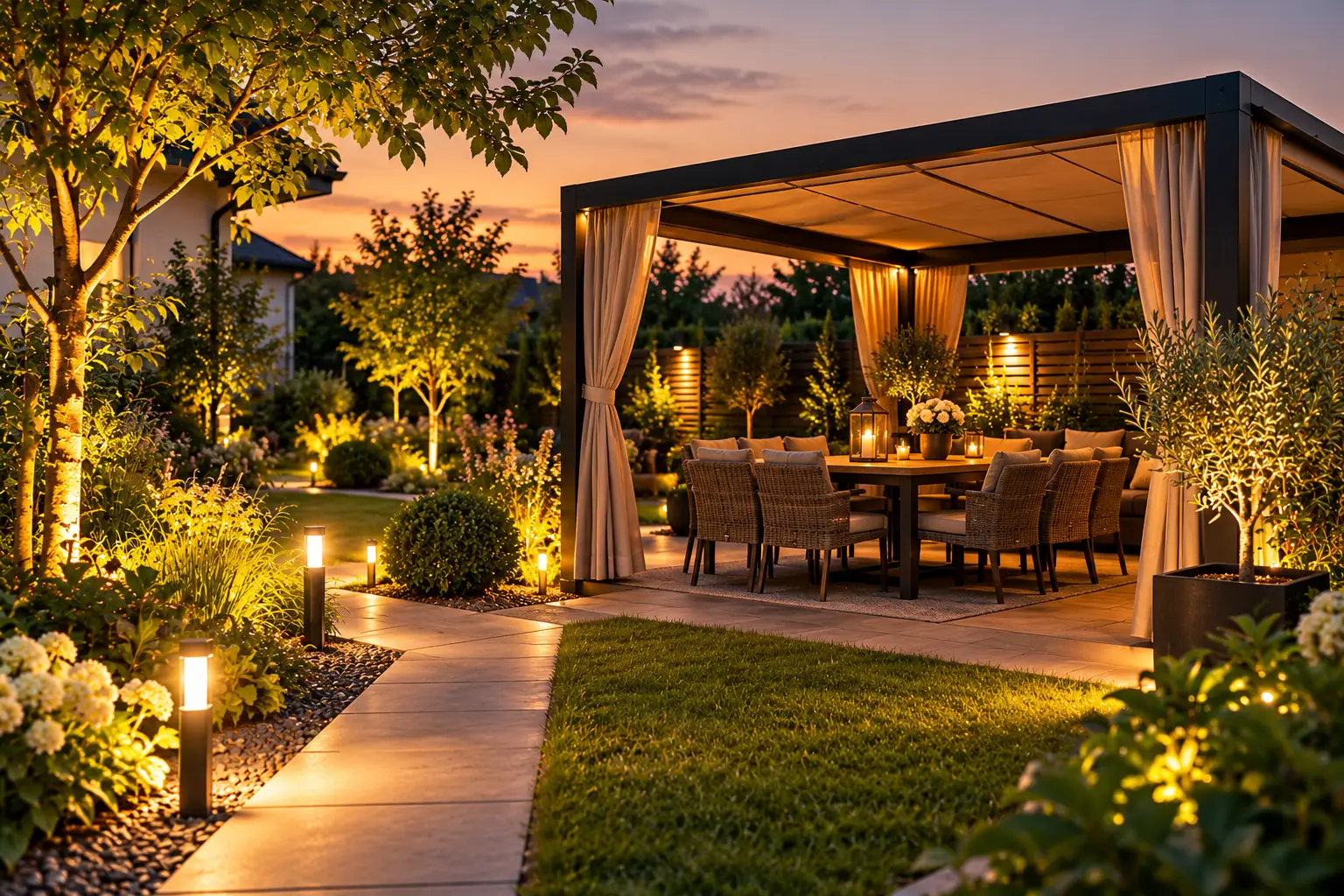
Some outdoor spaces go dark the moment the work ends. Others stay available. A path remains legible. A pergola keeps its shape. The last hour outside does not disappear just because the sun has gone.
This is where the garden stops being only a daytime territory. Light extends use. Shelter extends comfort. The whole space becomes less conditional and more welcoming.
A well-made outdoor room does not force an occasion. It simply allows one. A short sit, a slower conversation, a glass of something at the end of the day — all of it becomes easier when the place is already prepared to receive it.
The evening outdoors should not begin with rearranging. It should begin with arriving.
The Part That Was Always Worth It
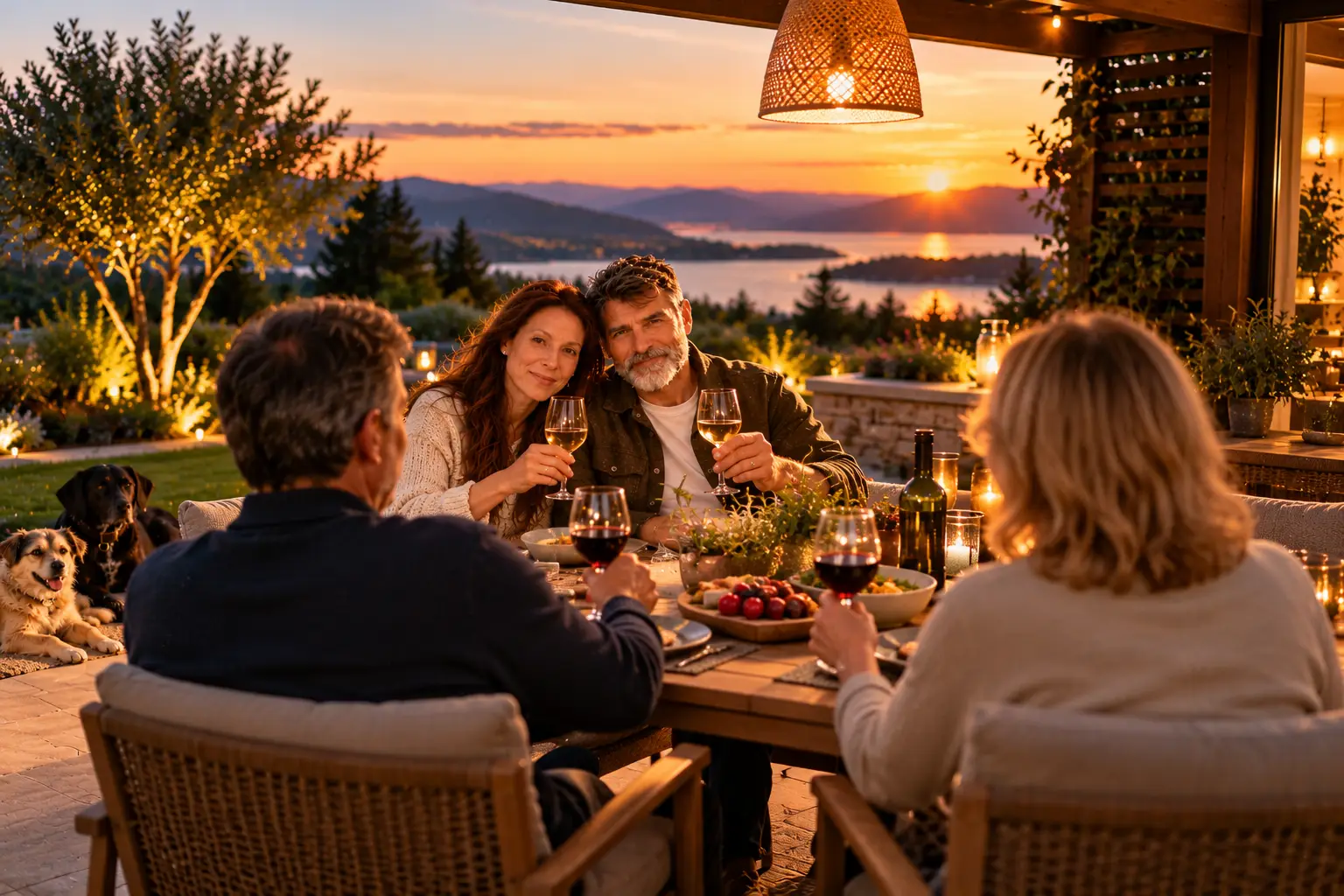
The garden was never only about maintenance. Not really. It was about what remained once the practical things were already taken care of.
A table outside. The last light on the water. Two people who do not need to hurry the evening forward. The useful work disappears into the background and the place begins to give something back.
This is the real measure of an outdoor space. Not whether it can be kept perfect, but whether it can hold a moment people want to stay inside. A garden earns its place when it becomes somewhere life actually happens, not just somewhere tasks are completed.
A useful garden does not end with upkeep. It ends with use.
There is more life beyond the door.
A useful outdoor space is part of a larger story: how we move, how we spend time together and how familiar places make everyday life more enjoyable.